This is my “now” page inspired by Derek Sivers. It answers “what I’m doing now?“. My life, projects and priorities. I post an update here every 1-3 months.
What’s up as of May 2026?
Late May handed us a long bank holiday weekend and the kind of sunshine that makes you want to actually use it. We spent three days in Sussex chasing history, walking cliffs, and watching craftsmen demonstrate centuries-old skills. The trip ran in parallel with two quieter projects at home: rebuilding my personal assistant from the ground up, and turning years of stored reading into something I can actually query. Three different threads, one shared idea: the thing on the surface only matters when there’s a real system, and real people, holding it up. That’s been the quiet pattern this month: looking past the object and paying attention to what makes it work.
⚔️ Castles, Cliffs, and Craftsmen
The weekend opened with the miniature railway at Herstmonceux: 1:8 scale trains kept alive by volunteers who clearly love every bolt. For £7 you ride in tiny wagons, with one volunteer driving and another at the back sharing stories about the surroundings. You could feel the community holding the whole place together: mechanics tuning engines, young people helping out, conversation flowing easily.
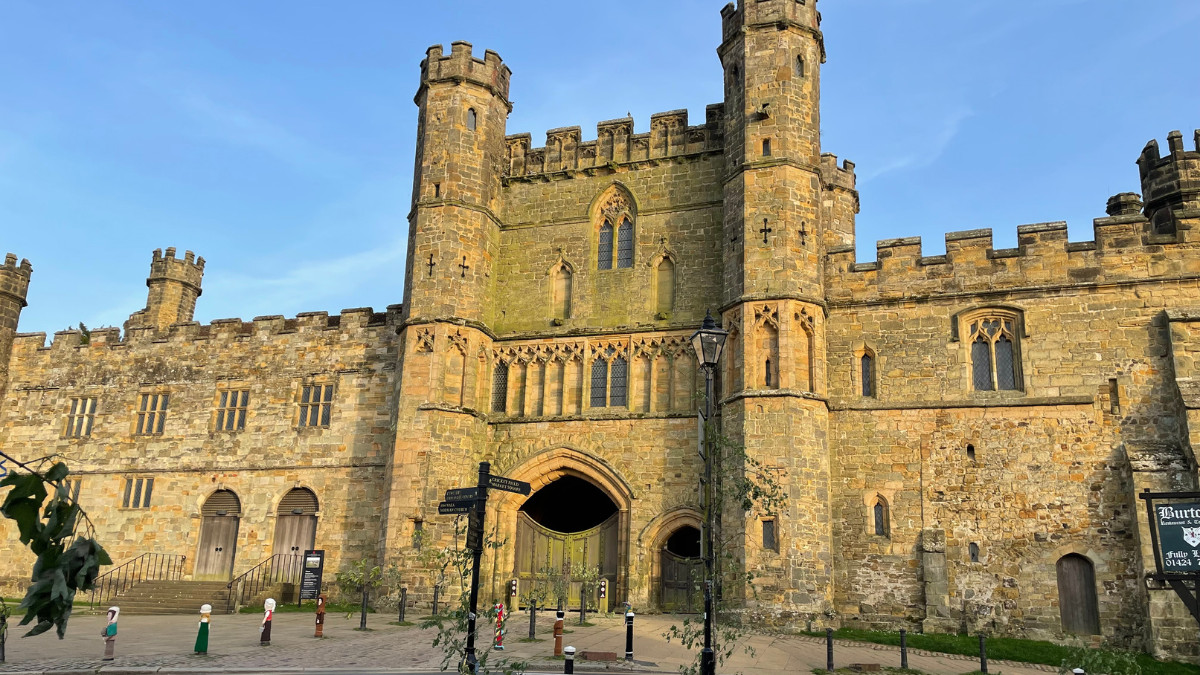
We arrived at Seven Sisters by nine the next morning and walked the cliffs while the car parks were still almost empty; by lunchtime the whole area was packed. Day three was Battle Abbey and the Hastings battlefield, where an audio guide turned an open field into 1066: more than twenty stops walking us through the strategy, the figures, and the moment that reshaped Britain.
A small medieval fair nearby gave us the unexpected highlight: blacksmiths with katanas, Spanish blades, British swords, helmets and battle hammers, all happy to talk for as long as we wanted to listen. The objects were impressive. The people behind them were the actual reason to be there.
🤖 From Droidella to Ola
Droidella served me well on OpenClaw, but every update made it slower and more fragile, every release meant rebuilding parts of the setup, debugging broken integrations, and spending more time fixing the tool than actually using it. So I switched. I migrated to Hermes, a Python-based agentic framework that fits how I actually like to build: simpler, faster, easier to reason about. Python is something I can comfortably read and work with, so it immediately felt like a better fit.
A single afternoon was enough to spin up a new Slack bot, port my skills to Python, move secrets and integrations across, and bring a new agent, Ola, online. The command-line tools I'd already built came over untouched, which validated a design principle I keep coming back to: build modular skills, not engine dependencies. The other rule held too: if I borrow a community skill, I rewrite it for my own environment so I fully understand what it does before trusting it.
Morning and evening summaries, calendar digests, market snapshots, structured note processing, and the travel mode that quietly captured this Sussex trip are all running smoothly again. The bigger lesson: sometimes you should stop rescuing a tool that no longer serves you. It's just a tool. The real asset is the system thinking around it.
📚 From Archive to Action
Years ago, Never Split the Difference reshaped how I think about difficult conversations. Tactical empathy, calibrated questions, starting with "no," accusation audits, the ideas felt immediately useful, not just in negotiation but in leadership and everyday human interactions. I'd been subscribed to Chris Voss's newsletter ever since. Two kinds of emails arrive: the announcements you'd expect, and short text-only reflections that unpack one principle at a time. The second kind is where the gold is.
For years I collected them in Gmail under a tag, telling myself I'd revisit them regularly. Like most "I'll come back to this later" systems, they mostly just sat there. So I exported the lot into markdown, imported them into Obsidian with structured metadata, and built a small retrieval layer on top. Now I can query it directly through my assistant, surfacing tactical empathy, calibrated "how" and "what" questions, label-based responses, or accusation audit patterns right before a hard conversation.
The knowledge isn't archived anymore. It's alive, searchable, usable at the moment I need it. Reading is only the first step; real learning happens when knowledge becomes retrievable enough to change what you do next. The biggest shift for me has been this: the goal of negotiation isn't to win, it's to create enough clarity for the best solution to emerge.
- Travel Memory System: How I Built One That Carries the Admin
- From Evernote to Obsidian: A Note-Taking Migration Story
- Be Curious, Not Judgemental – shifting from perception to perspective
- A Farmer’s Guide to Patient Leadership and Being Present in Growth
- Build a Home Lab for Local LLMs with Docker + AMD iGPU
#blog
This page is inspired by Derek Sivers “now page” movement.
Updated: 30 May 2026