Contents ☕
Most career stories on this blog go one way. I’ve written about the shift from technical roles to leadership, about the mindset shifts when you become a manager, and about my own path from Linux admin to “people engineer”.
This one goes the other way.
This year I handed back my people-manager title. I’m now a Principal Technical Leader, on the individual contributor track. No direct reports. Same company, a new manager, and a very different week.
Two questions come up naturally. Why would you do that? And is it a step down? Here are my honest answers, plus the thing that surprised me most.
☕ Why I Made the Move
It started with a course.
I went through AI_Devs, and it pulled me straight back towards my technical edge. I didn’t just want to study this stuff. I wanted to practise it, build with it, and get properly good at it again.
And that’s where I hit a wall. As a manager, I couldn’t find the time.
I’ve always said that being a manager is a full-time job. I’ve preached it to new managers for years, and it’s true. One-to-ones, hiring, performance reviews, the conversations nobody sees: they don’t leave much room around the edges. Trying to be a deep technical expert and a people leader at the same time wasn’t scaling. Something had to give, and I kept giving the technical side away.
So I chose. Not away from leadership, but towards the work I wanted to get my hands on.
🧳 What I Gave Up
On paper, quite a lot:
- Direct reports. Nobody’s growth is formally my responsibility any more.
- Regular one-to-ones. No weekly calendar full of them.
- Performance reviews, people issues, conflicts to settle. All gone from my plate.
- The facilitator’s seat. This one I didn’t expect to miss.
That last one deserves its own story.
🚲 The Pull of the Old Role
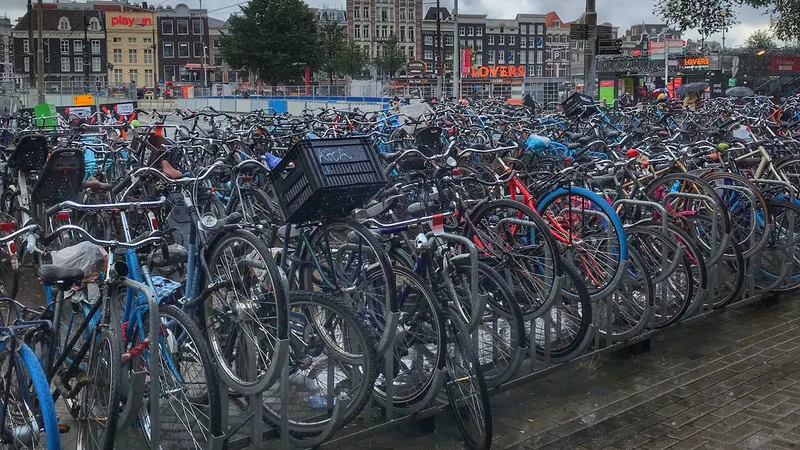
Early in the new role, I flew to Amsterdam for a company offsite. For years at events like that, I’d been the facilitator: the one making sure everyone got heard, steering conversations from the side, taking notes, pinning down actions. I was comfortable there.
This time, I owned some of the sessions. I had to prepare the topics, write them up, and kick off the technical discussions myself.
And I kept drifting back. I’d reach for the agenda, the next steps, the participant list, instead of putting my technical ideas on the table. My new manager quietly nudged me back, more than once. I even asked them to keep doing it.
It felt like getting my blue belt in jiu-jitsu: suddenly I could see everything I didn’t know. I wrote about that feeling, and the four stages of competence behind it, in the newsletter: Learning to Let Go of the Cozy Facilitator Role.
The good news: the facilitation skills didn’t disappear. They became a tool for something else, translating technical ideas so the whole room can follow them.
🧭 What Surprised Me
Here’s the part I knew deep down, but only really understood after the move.
At a certain level of seniority, you’re a leader anyway.
The title changed. The job of leading people didn’t go away. It changed direction.
A big part of my work is still leading people, only indirectly. And it’s not mostly my own team any more. It’s other stakeholders: people across several teams, an external vendor, managers who need to know what’s happening without the technical detail. Most of them sit outside my reporting line. None of them have to listen to me.
So I’ve learned more about influencing without authority this year than in all my years with a title. A small example: when a technical problem pulled in several teams and a vendor, I asked for a temporary shared channel, asked everyone to post detailed updates, and showed people how to turn that channel into a short AI summary for their bosses. Nobody reported to me. Everyone still got what they needed, and next time those engineers can do it without me.
That’s leadership. It just doesn’t come with a title attached.
🪜 Is It a Step Down?
No. It’s a different ladder.
The management ladder grows people through a reporting line. The technical ladder grows things, and grows people through expertise, mentoring and influence. Both are leadership. Only one of them shows up on the org chart.
If you’re thinking about the same move, these are the questions I’d ask:
- Where does your energy go when you have a free hour? If it’s always back to the technical work, notice that.
- What are you giving away to make room? If it’s the thing you love most, the role may not fit any more.
- Can you lead without the title? If influence only works for you through authority, the IC track will be hard. If you already lead sideways, you’ll be fine.
- Is your organisation ready for it? A real senior IC track, with real scope, makes all the difference. Ask what the role owns before you take it.
☕ Lessons Learned From This Coffee Journey
- Being a manager is a full-time job. If you’re trying to do it on top of deep technical work, one of them is losing.
- The old role will pull you back. Ask someone to nudge you when you drift.
- Your skills transfer, just differently. Facilitation became translation.
- Seniority means leadership, with or without a title. You just lead sideways more than downwards.
- It’s not a step down. It’s a different ladder, and you choose which one fits the work you want to do.
Have you made this move, or are you thinking about it? I’d love to hear how it went, or what’s holding you back. Reply if you’re reading this in the newsletter.
If you found this useful, I’d genuinely appreciate you sharing it with someone who might enjoy it. That’s how Coffee Journeys grows — one thoughtful reader at a time.